

How Much Does Fire Pit Installation Cost in Cincinnati?
Learn about affordable fire pit installation costs in Cincinnati, helping homeowners make informed decisions. Enhance outdoor spaces without breaking the bank.

From chimney cleaning and inspections to fireplace repairs and seasonal safety tips, our blog helps Cincinnati homeowners make informed decisions and avoid costly chimney problems.


Learn about affordable fire pit installation costs in Cincinnati, helping homeowners make informed decisions. Enhance outdoor spaces without breaking the bank.


Ensure your gas fireplace operates safely and efficiently. Learn essential timing and maintenance checklists to keep your home warm all winter long.


Explore the differences between outdoor fireplaces and fire pits. This comprehensive guide highlights key pros and cons to help make an informed decision.


Transform Cincinnati backyards with inspiring fire pit ideas that enhance outdoor living. Create cozy spaces for gatherings while adding beauty and warmth.


Cincinnati residents can weigh the pros and cons of gas versus wood fire pits. This guide offers insights to enhance outdoor living with the right choice.
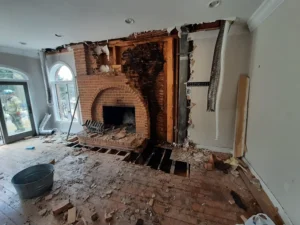

Ensure the safety of your Cincinnati home with masonry chimney repair. Learn the key warning signs to watch for and protect your investment today.
Homeowners often face various chimney issues that can compromise safety and efficiency. Understanding these common problems, such as creosote buildup, cracks, and flue obstructions, is essential for timely intervention.
For instance, creosote buildup can lead to dangerous chimney fires, while cracks in the masonry can allow carbon monoxide to enter the home. Regular inspections and maintenance can help identify these issues early, ensuring that your chimney remains safe and functional.
Selecting the ideal fireplace involves considering several factors, including style, fuel type, and efficiency. Homeowners should evaluate their needs and preferences to find a fireplace that not only complements their home but also meets safety and environmental standards.
For example, gas fireplaces offer convenience and efficiency, while wood-burning options provide a traditional ambiance. Understanding the pros and cons of each type will help homeowners make informed decisions that enhance their living spaces.
Regular chimney inspections are crucial for maintaining the safety and efficiency of your chimney system. These inspections help identify potential hazards and ensure that the chimney is functioning correctly, preventing costly repairs in the future.
During an inspection, professionals check for blockages, structural damage, and proper ventilation. Homeowners should schedule annual inspections, particularly before the heating season, to ensure their chimneys are safe for use.
While professional services are essential, homeowners can also perform basic maintenance tasks to keep their chimneys in good condition. Simple actions, such as cleaning the fireplace and checking for debris, can prevent major issues.
For example, homeowners should remove ash and soot regularly and inspect the chimney cap for damage. Additionally, ensuring that trees and foliage are trimmed away from the chimney can help prevent blockages and enhance airflow.
Homeowners often face various chimney issues that can compromise safety and efficiency. Understanding these common problems, such as creosote buildup, cracks, and flue obstructions, is essential for timely intervention.
For instance, creosote buildup can lead to dangerous chimney fires, while cracks in the masonry can allow carbon monoxide to enter the home. Regular inspections and maintenance can help identify these issues early, ensuring that your chimney remains safe and functional.
Selecting the ideal fireplace involves considering several factors, including style, fuel type, and efficiency. Homeowners should evaluate their needs and preferences to find a fireplace that not only complements their home but also meets safety and environmental standards.
For example, gas fireplaces offer convenience and efficiency, while wood-burning options provide a traditional ambiance. Understanding the pros and cons of each type will help homeowners make informed decisions that enhance their living spaces.
Regular chimney inspections are crucial for maintaining the safety and efficiency of your chimney system. These inspections help identify potential hazards and ensure that the chimney is functioning correctly, preventing costly repairs in the future.
During an inspection, professionals check for blockages, structural damage, and proper ventilation. Homeowners should schedule annual inspections, particularly before the heating season, to ensure their chimneys are safe for use.
While professional services are essential, homeowners can also perform basic maintenance tasks to keep their chimneys in good condition. Simple actions, such as cleaning the fireplace and checking for debris, can prevent major issues.
For example, homeowners should remove ash and soot regularly and inspect the chimney cap for damage. Additionally, ensuring that trees and foliage are trimmed away from the chimney can help prevent blockages and enhance airflow.