

Gas vs Wood Fire Pit: Which Is Right for Your Cincinnati Yard?
Selecting the right fire pit for your Cincinnati yard can improve outdoor living for gatherings and barbecues. This guide compares gas and wood fire pits so you can decide based on your preferences and local climate. Gas models prioritise convenience; wood models deliver classic ambience. We cover features, benefits, costs, maintenance, and safety to help you determine which option best fits your lifestyle and yard.
Gas Fire Pits
Gas fire pits are chosen frequently for their convenience and low upkeep. They run on natural gas or propane, supplying a clean and efficient source of heat. Simple ignition and adjustable flame height support spontaneous use. Many units include safety features such as automatic shut-off valves. Installation can be more complex and typically requires a professional gas-line connection, which increases cost.
Safety for gas appliances—particularly during installation—depends on compliance with recognized industry standards.
Gas Appliance Safety Standards & Utility Installation
Gas utilities generally will not install or service a gas appliance unless it is certified as complying with the safety standards of the American Gas Association (AGA) or other recognized testing laboratories.
Setting safety standards: Regulation in the public and private sectors, 1990
Installation Costs for Gas Fire Pits
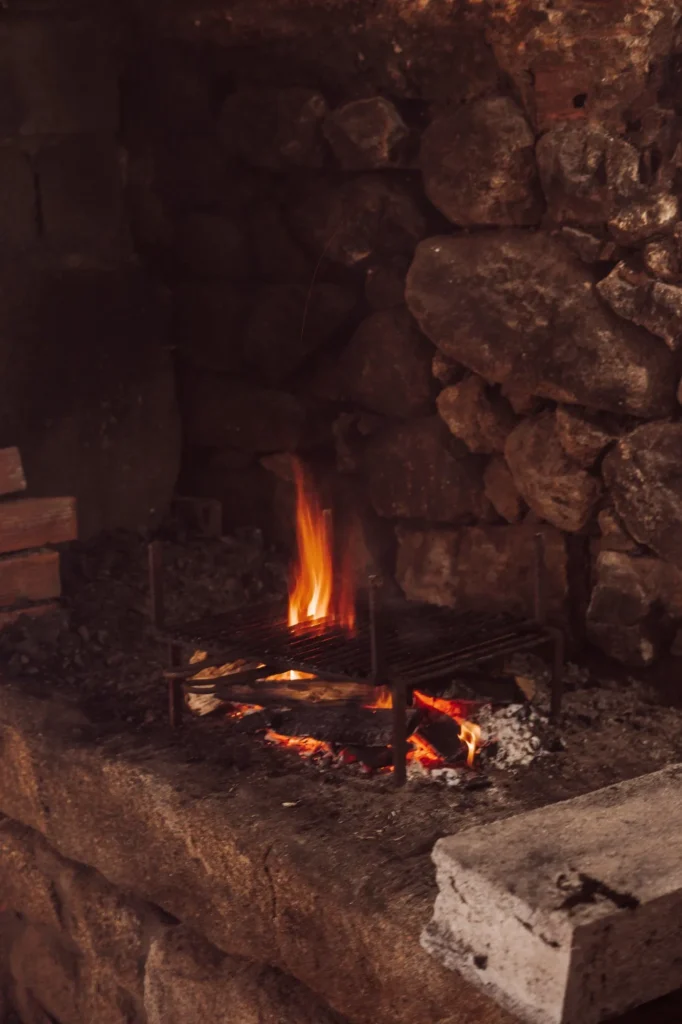
Installation costs for a gas fire pit vary with the gas type and installation complexity. In Cincinnati, homeowners can expect to pay $1,500–$11,000 for a complete installation. That estimate typically includes the fire pit unit, gas-line installation, and required permits.
| Installation Type | Average Cost | Key Features |
|---|---|---|
| Natural Gas Fire Pit | $1,500 – $10,000 | Permanent installation, connected to home gas line |
| Propane Fire Pit | $1,200 – $10,500 | Portable, requires propane tank refills |
Gas fire pits suit homeowners who prioritise convenience and safety. Reviewing the installation process and related costs is essential for an informed decision.
Wood Fire Pits
Wood fire pits deliver a traditional outdoor experience with warmth, crackling sounds, and the aroma of burning wood. They often have lower initial costs than gas options. However, they require more maintenance, including regular cleaning and secure storage for firewood.
Maintenance Requirements for Wood Fire Pits

Proper maintenance keeps a wood fire pit safe and serviceable. Key tasks include regular removal of ash and debris, inspection for signs of wear or damage, and storing firewood in a dry location to prevent moisture that reduces burning efficiency.
| Maintenance Task | Frequency | Importance |
|---|---|---|
| Ash Removal | After each use | Prevents buildup and ensures proper airflow |
| Firewood Storage | Year-round | Keeps wood dry and ready for use |
| Safety Inspection | Monthly | Identifies wear and ensures safe operation |
Although wood fire pits demand more upkeep, many homeowners find the experience worthwhile. Knowing the maintenance tasks helps ensure safe and effective use.
Local Climate Considerations
Cincinnati’s climate—cold winters and warm summers—affects fire pit performance. Gas fire pits provide consistent heat, making them suitable for year-round use. Wood fire pits are often preferred for summer evenings when ambience and tradition are priorities.
Personal Usage Preferences
Personal usage is a key factor. If you host often or favour spontaneous outdoor time, a gas fire pit offers quick ignition and simple operation. If you value the ritual of building and tending a fire, a wood fire pit will better meet that preference.
What Are the Key Differences Between Gas and Wood Fire Pits?
The main differences are operation, maintenance, and user experience. Gas systems provide convenience and integrated safety features. Wood pits deliver a traditional atmosphere and typically lower upfront costs. Weigh these elements against your routine and priorities.
How Do Gas Fire Pits Operate and What Are Their Benefits?
- Convenience: Easy to ignite and extinguish, allowing for quick use.
- Low Maintenance: Requires minimal upkeep compared to wood fire pits.
- Safety Features: Often equipped with automatic shut-off valves for added security.
These features make gas fire pits a practical, low-maintenance outdoor heating option for homeowners.
What Are the Traditional Benefits and Appeal of Wood Fire Pits?
- Aesthetic Experience: The natural flames and aroma of burning wood create a unique atmosphere.
- Cost-Effectiveness: Generally lower initial costs and the ability to use locally sourced firewood.
- Social Interaction: The traditional experience encourages gathering and storytelling around the fire.
These qualities sustain the popularity of wood fire pits among outdoor enthusiasts.
How Much Does Gas Fire Pit Installation Cost in Cincinnati?
As noted above, gas fire pit installation in Cincinnati typically ranges from $1,500 to $3,000. That figure generally covers the fire pit unit, gas-line connection, and any required permits. Homeowners should factor these costs into their decision.
What Are the Typical Installation Steps and Requirements for Gas Fire Pits?
- Site Assessment: Evaluating the location for safety and accessibility.
- Gas Line Installation: Connecting the fire pit to the home’s gas supply.
- Fire Pit Assembly: Following manufacturer instructions for proper setup.
- Testing: Ensuring the system operates safely and efficiently.
These steps underscore the value of professional installation to ensure safety and code compliance.
Are There Local Permits or Regulations for Gas Fire Pits in Cincinnati?
Yes. Cincinnati homeowners must adhere to local regulations for gas fire pits. This may include obtaining permits and meeting safety code requirements. Consult local authorities before proceeding to avoid fines or safety issues.
What Are the Benefits and Costs of Installing a Wood Fire Pit?
- Lower Initial Investment: Generally more affordable than gas fire pits.
- Flexibility: Can be built in various styles and sizes to fit your yard.
- Natural Experience: Provides a traditional outdoor ambiance that many enjoy.
These factors make wood fire pits attractive to budget-conscious homeowners.
What Maintenance Is Required for Wood Fire Pits to Ensure Safety?
- Ash Removal: Cleaning out ashes after each use to prevent buildup.
- Firewood Storage: Keeping wood dry and protected from the elements.
- Safety Inspections: Regularly checking for wear and damage to the fire pit structure.
Performing these maintenance tasks supports safe and enjoyable use of wood fire pits.
How Do Installation Costs for Wood Fire Pits Compare Locally?
In Cincinnati, installation costs for wood fire pits typically range from $300 to $1,500, making them a more budget-friendly option compared to gas fire pits.
| Fire Pit Type | Average Installation Cost | Key Features |
|---|---|---|
| Wood Fire Pit | $300 – $1,500 | Customizable designs, lower initial costs |
| Gas Fire Pit | $1,500 – $3,000 | Permanent installation, connected to gas lines |
How Can You Ensure Outdoor Fire Pit Safety and Proper Maintenance?
- Clear Surroundings: Keep the area around the fire pit free of flammable materials.
- Use Proper Fuel: For wood fire pits, use seasoned firewood to minimize smoke and sparks.
- Supervise Use: Always monitor the fire, especially around children and pets.
Adhering to these practices helps homeowners use fire pits safely and responsibly.
What Are the Best Practices for Fire Pit Use and Maintenance in Cincinnati?
- Check Local Regulations: Ensure compliance with local fire codes and regulations.
- Use a Fire Pit Screen: Prevent sparks from escaping and causing fires.
- Extinguish Properly: Always fully extinguish the fire before leaving the area.
Following these best practices promotes safety and enjoyment for all users.
How Does Regular Maintenance Extend the Life of Your Fire Pit?
Regular maintenance is essential to extend a fire pit’s useful life. Cleaning and periodic inspections prevent costly repairs and ensure safe operation. Consistent care also preserves the quality of gatherings around the fire for years to come.
Which Fire Pit Is Best Suited for Cincinnati Homeowners’ Yards and Lifestyles?
The best fire pit depends on individual preferences and lifestyle. Gas units provide convenience and consistent heat; wood pits deliver traditional ambience and lower upfront cost. Evaluate how you will use the fire pit, how much maintenance you are willing to undertake, and your aesthetic priorities to make the right choice.
How Do Lifestyle and Yard Features Influence Fire Pit Selection?
Yard size and lifestyle affect selection. Larger yards may favor wood fire pits for their social atmosphere and visual impact. Smaller spaces often benefit from compact gas units that are easier to operate. Consider how often you will use the fire pit and the types of gatherings you host when deciding.
What Are Eco-Friendly and Efficient Fire Pit Options Available Locally?
- Bioethanol Fire Pits: Use renewable biofuels, producing minimal emissions.
- Propane Fire Pits: Offer cleaner burning compared to traditional wood.
- Wood Fire Pits with Efficient Designs: Utilize advanced combustion technology to reduce smoke and improve fuel efficiency.
These alternatives provide sustainable ways to enjoy outdoor fires while reducing environmental impact.
Brian Court, Owner of Choice Chimney Solutions, states:
“Choosing the right fire pit is about balancing lifestyle, safety, and enjoyment. Our experience shows that homeowners who understand their needs and local conditions make the best choice, whether gas or wood. We emphasize professional installation and regular maintenance to ensure every fire pit is a safe and cherished part of the home.”