
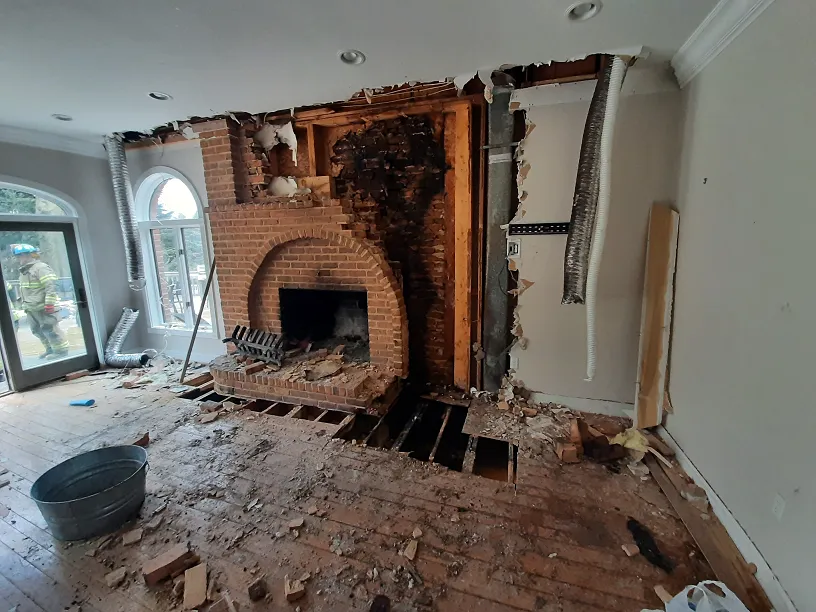
Essential Chimney Repair Signs
Masonry chimneys contribute to home safety and heating efficiency, yet many homeowners miss early signs of damage. Spotting issues early reduces repair costs and protects structural integrity. This guide helps Cincinnati homeowners identify common masonry problems, explains the risks of delayed action, and outlines why professional inspections matter. It also describes repair techniques offered by Choice Chimney Solutions so you can keep your chimney safe, functional, and valuable.
What Are the Common Warning Signs of Masonry Chimney Damage?
Recognising masonry chimney damage early is essential to protect your home and prevent hazards. Watch for a few clear indicators that typically signal problems.
- Cracked or Crumbling Masonry: Visible cracks in the brick or mortar can indicate structural weakness, which may lead to further deterioration if not addressed promptly.
- Water Infiltration Signs: Stains or efflorescence on the chimney surface often signal water damage, which can compromise the chimney’s integrity.
- Deterioration Indicators: Missing bricks or mortar joints can expose the chimney to the elements, increasing the risk of significant damage over time.
Early detection limits the scope of repairs and helps preserve the chimney’s lifespan. If you observe any of these signs, arrange a professional inspection to assess the issue and recommend a repair plan.
How Do Cracks and Structural Shifts Indicate Chimney Problems?
Cracks and structural movement are serious indicators that a chimney may no longer be functioning safely. Common causes include settling, temperature cycles, and prolonged water exposure.
Cracks can impair the chimney’s ability to vent smoke and gases, creating health and fire risks for your household. Shifts in alignment suggest the chimney may be compromised and could worsen over time. Regular, professional inspections help identify these conditions early so repairs can be scheduled before hazards develop.
Technical studies of masonry damage underline the need to diagnose root causes—such as thermal stresses or material degradation—to ensure repairs are effective and durable.
Masonry Chimney Damage: Cracks, Degradation & Causes
The referenced analysis examines cracking patterns, material degradation and structural displacements in masonry chimneys. It describes methods to document each observed defect, notes the surrounding conditions, and uses analytical and finite-element models to assess contributions from temperature gradients, corrosion and chemical reactions that can expand mortar.
Forensic Inspection Assessments of Brick Masonry Chimneys, Veneer Walls, and Porches/Decks, 2021
What Role Does Water Damage Play in Masonry Deterioration?
Water is among the most damaging forces for masonry chimneys. Moisture that penetrates brick and mortar gradually weakens materials and accelerates failure.
There are several types of water damage that can affect chimneys:
- Rainwater Infiltration: Continuous exposure to rain can erode mortar joints and cause bricks to crack.
- Ice Expansion: In colder climates, water that enters cracks can freeze and expand, worsening the damage.
- Condensation: Poor ventilation can lead to moisture buildup inside the chimney, promoting mold growth and further deterioration.
Applying appropriate waterproofing and maintaining the chimney regularly will reduce these risks and extend service life.
How Is a Professional Chimney Inspection Conducted in Cincinnati?
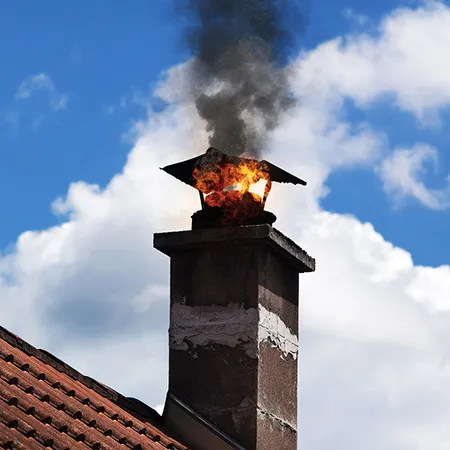
A professional chimney inspection identifies defects before they become costly or dangerous. In Cincinnati, certified inspectors use a structured process to evaluate condition and safety.
The inspection process typically includes:
- Visual Inspection: A detailed examination of the chimney’s exterior and interior for signs of damage or wear.
- Safety Evaluations: Assessing the chimney’s structural integrity and ensuring it meets safety standards.
- Recommendations: Providing homeowners with actionable insights and repair options based on the inspection findings.
Routine inspections help maintain safe operation and efficient performance. They provide the information needed to plan repairs or preventive measures.
What Does a CSIA-Certified Chimney Inspection Include?
A CSIA-certified inspection follows recognised industry standards and covers the chimney system thoroughly. Inspectors document physical condition and identify hazards that affect safety and performance.
- Visual Inspection Components: Inspectors examine the chimney’s structure, flue, and surrounding areas for any signs of damage.
- Hazard Identification: Identifying potential hazards, such as creosote buildup or blockages, that could pose safety risks.
- Safety Concerns: Evaluating the overall safety of the chimney system and recommending necessary repairs or maintenance.
This methodical approach ensures you receive clear findings and practical recommendations so you can make informed repair decisions.
How Often Should Homeowners Schedule Chimney Inspections?
Regular inspections should be a priority for every homeowner. The standard recommendation is an annual inspection, though frequency can vary with use and condition.
- Usage Frequency: Homes that use their fireplaces regularly may require more frequent inspections.
- Age of the Chimney: Older chimneys may need more frequent evaluations due to wear and tear.
- Environmental Factors: Homes in areas with heavy rainfall or snow may experience more rapid deterioration and should be inspected more often.
Skipping inspections increases the likelihood of severe safety issues and higher repair costs. Regular checks are a cost-effective way to manage risk.
What Repair Techniques Does Choice Chimney Solutions Offer for Masonry Chimneys?
Choice Chimney Solutions provides targeted masonry repair methods to restore stability and reduce safety risks. Their service options address common failure points and water intrusion.
- Tuckpointing: This technique involves replacing deteriorated mortar joints to strengthen the chimney and prevent water infiltration.
- Flashing Repair: Repairing or replacing chimney flashing is essential to prevent leaks and water damage.
- Waterproofing: Applying a waterproof sealant can protect the masonry from moisture damage and extend its lifespan.
These focused repairs protect the chimney’s structure and function, helping to avoid recurring issues and costly follow-up work.
How Does Chimney Tuckpointing Restore Structural Integrity?
Tuckpointing repairs deteriorated mortar joints by removing damaged material and installing new mortar. The process restores bond strength between bricks and reduces pathways for moisture.
The benefits of tuckpointing include:
- Enhanced Stability: By reinforcing the mortar joints, tuckpointing helps prevent further structural issues.
- Aesthetic Improvement: Fresh mortar can improve the overall appearance of the chimney.
- Water Resistance: Properly executed tuckpointing can reduce the risk of water infiltration, protecting the chimney from moisture damage.
When performed correctly, tuckpointing extends service life, improves appearance and lowers the risk of water-related damage.
Knowing a chimney’s repair history—such as previous tuckpointing or mortar work—helps assess current condition and plan future maintenance effectively.
Brick Masonry Chimney Inspection & Repair History
Inspection records should note recent modifications to brick masonry veneer, including tuckpointing or mortar repairs. Documentation should record what was repaired, when the work occurred, who performed it, and the original damage and scope of repair.
Forensic Inspection Assessments of Brick Masonry Chimneys, Veneer Walls, and Porches/Decks, 2021
When Is Chimney Flashing Repair Necessary to Prevent Leaks?
Chimney flashing repair prevents leaks where the chimney meets the roof. Over time, flashing materials can fail from weather exposure, allowing water into the structure.
Signs that flashing repair is necessary include:
- Visible Damage: Cracks or gaps in the flashing material can allow water to seep into the chimney.
- Water Stains: Stains on the ceiling or walls near the chimney may indicate leaks caused by damaged flashing.
- Rust or Corrosion: Metal flashing that shows signs of rust may need to be replaced to ensure a proper seal.
Promptly repairing or replacing damaged flashing prevents progressive water damage and the higher costs that follow unchecked leaks.
Industry sources identify damaged or improperly installed flashing as a leading cause of water infiltration and related home damage.
Chimney Flashing Damage: A Cause of Home Water Leaks
Flashing is material used to seal and protect intersections where the roof meets other structures, such as chimneys or vents. If flashing fails or is poorly installed, it can permit water entry and produce interior leaks.
Common Causes of Emergency Roof Leaks and How to Prevent Them, 2024
What Are the Cost Factors and Financing Options for Masonry Chimney Repair in Cincinnati?
Several factors influence masonry chimney repair costs. Understanding these elements helps homeowners budget and compare estimates.
- Extent of Damage: More extensive damage will require more significant repairs, increasing costs.
- Materials Used: The choice of materials for repairs can affect pricing, with higher-quality options typically costing more.
- Labor Costs: Professional labor rates can vary based on the complexity of the repair and the contractor’s expertise.
Homeowners should also explore financing options available for chimney repairs, which can help manage costs effectively.
| Cost Factor | Description | Estimated Range |
|---|---|---|
| Extent of Damage | Severity of the damage requiring repair | $200 – $2,000 |
| Materials Used | Quality and type of materials for repairs | $100 – $1,500 |
| Labor Costs | Professional fees for repair services | $75 – $150 per hour |
The table summarises typical cost drivers to help you evaluate repair estimates and plan financing if needed.
How Can Homeowners Maintain Their Chimneys to Prevent Future Damage?
Consistent maintenance is the most effective way to prevent future chimney damage. Simple, scheduled actions reduce risk and extend service life.
- Regular Inspections: Schedule annual inspections to identify potential issues early.
- Chimney Sweeping: Regular sweeping removes creosote buildup and ensures proper ventilation.
- Waterproofing: Applying a waterproof sealant can protect the masonry from moisture damage.
Following these steps helps you avoid unexpected repairs and keeps the chimney operating safely and efficiently.
What Are Best Practices for Chimney Waterproofing and Maintenance?
Good waterproofing and maintenance practices protect masonry and reduce long-term repair costs. Use proven techniques and quality materials for reliable results.
- Use Quality Sealants: Invest in high-quality waterproof sealants designed for masonry to ensure long-lasting protection.
- Inspect Flashing Regularly: Check the flashing for signs of wear and replace it as needed to prevent leaks.
- Maintain Proper Drainage: Ensure that gutters and downspouts direct water away from the chimney to minimize moisture exposure.
Adopting these practices significantly lowers the risk of water damage and helps preserve the chimney’s condition over time.
How Does Regular Fireplace Repair Complement Chimney Care?
Fireplace repairs are an essential component of full chimney care. Keeping the fireplace in good working order supports safe, efficient chimney operation.
Key aspects of fireplace repair include:
- Inspecting the Firebox: Regular checks can identify cracks or damage that may affect performance.
- Maintaining the Damper: A properly functioning damper ensures efficient airflow and prevents heat loss.
- Cleaning the Firebox: Regular cleaning helps prevent the buildup of creosote and other debris that can pose fire hazards.
Integrating fireplace repair with chimney maintenance creates a safer heating system and reduces the chance of costly emergency repairs.
Local Expertise and Trusted Authority in Cincinnati
Choice Chimney Solutions is proud to serve the Cincinnati community with expert masonry chimney repair and maintenance. Owner Brian Court, a seasoned professional with over 20 years of experience in chimney services, emphasizes the importance of early detection and quality workmanship. “Our goal is to ensure every homeowner in Cincinnati has a safe, reliable chimney that stands the test of time,” says Brian Court. “We combine local knowledge with industry best practices to deliver repairs that protect your home and investment.”
As a locally owned and operated company, Choice Chimney Solutions is familiar with Cincinnati’s unique climate challenges and building styles, allowing them to tailor solutions that address specific regional needs. Their commitment to certified inspections and transparent communication has earned them a reputation as a trusted authority in chimney care throughout the area.