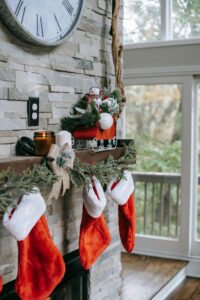
How to Decorate Your Mantel Safely for Christmas
Create a festive mantel without safety risks. Learn expert tips on mantel decorating, fire safety, stocking placement, garlands, and holiday fireplace care.

From chimney cleaning and inspections to fireplace repairs and seasonal safety tips, our blog helps Cincinnati homeowners make informed decisions and avoid costly chimney problems.

Create a festive mantel without safety risks. Learn expert tips on mantel decorating, fire safety, stocking placement, garlands, and holiday fireplace care.
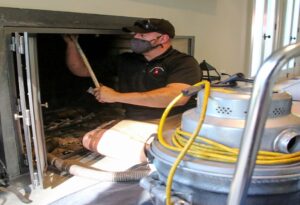
A fireplace should bring comfort crackling wood, warm light, and a calm atmosphere that pulls everyone closer.
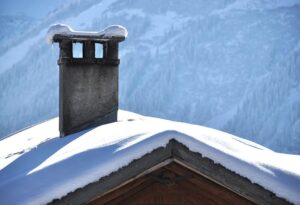
frozen chimney, chimney ice damage, chimney masonry damage, chimney repair Cincinnati, chimney inspection Cincinnati, ice in chimney, winter chimney problems
Regular chimney maintenance is crucial for ensuring the safety and efficiency of your home heating system. Homeowners should schedule annual inspections and cleanings to remove creosote buildup, which can lead to chimney fires and other hazards. Additionally, keeping the chimney cap in good condition helps prevent debris and animals from entering the flue.
Incorporating seasonal checks can enhance chimney longevity. For instance, before winter, inspect for any cracks or damage caused by harsh weather. Also, ensure that the damper opens and closes properly. A well-maintained chimney not only improves airflow but also enhances the overall energy efficiency of your fireplace.
Chimney inspections are essential for identifying potential issues before they escalate into costly repairs. A professional inspection can reveal problems such as blockages, structural damage, or deterioration of the chimney liner, which can compromise safety. It's recommended to have a certified technician perform a level 1 inspection annually, especially if the chimney is used frequently.
Moreover, understanding the different levels of chimney inspections—Level 1, Level 2, and Level 3—can help homeowners make informed decisions. A Level 2 inspection, for example, is necessary when there are changes in ownership or after a significant weather event. This thorough approach ensures that your chimney remains safe and functional throughout the year.
Homeowners often encounter various chimney problems, including blockages, leaks, and structural damage. Blockages can be caused by creosote buildup or debris, which can restrict airflow and lead to dangerous situations. Regular cleaning and inspections can help mitigate these issues, ensuring proper ventilation and safety.
Leaks, on the other hand, can result from damaged flashing or deteriorated mortar joints. Addressing these problems promptly with professional repairs can prevent water damage to the chimney and surrounding areas. Knowing these common issues allows homeowners to take proactive steps in maintaining their chimneys and enhancing their home's safety.
As winter approaches, ensuring fireplace safety becomes paramount for homeowners. Always use seasoned wood to reduce smoke and creosote buildup, and never burn trash or treated wood, as these can release harmful chemicals. Additionally, keep a fire extinguisher nearby and educate family members on how to use it in case of emergencies.
Moreover, ensuring proper ventilation is vital for safe fireplace use. Open the damper fully before starting a fire and keep flammable materials at least three feet away from the hearth. Regularly checking smoke detectors and carbon monoxide alarms can provide extra peace of mind during the cold months when fireplaces are frequently used.
Regular chimney maintenance is crucial for ensuring the safety and efficiency of your home heating system. Homeowners should schedule annual inspections and cleanings to remove creosote buildup, which can lead to chimney fires and other hazards. Additionally, keeping the chimney cap in good condition helps prevent debris and animals from entering the flue.
Incorporating seasonal checks can enhance chimney longevity. For instance, before winter, inspect for any cracks or damage caused by harsh weather. Also, ensure that the damper opens and closes properly. A well-maintained chimney not only improves airflow but also enhances the overall energy efficiency of your fireplace.
Chimney inspections are essential for identifying potential issues before they escalate into costly repairs. A professional inspection can reveal problems such as blockages, structural damage, or deterioration of the chimney liner, which can compromise safety. It's recommended to have a certified technician perform a level 1 inspection annually, especially if the chimney is used frequently.
Moreover, understanding the different levels of chimney inspections—Level 1, Level 2, and Level 3—can help homeowners make informed decisions. A Level 2 inspection, for example, is necessary when there are changes in ownership or after a significant weather event. This thorough approach ensures that your chimney remains safe and functional throughout the year.
Homeowners often encounter various chimney problems, including blockages, leaks, and structural damage. Blockages can be caused by creosote buildup or debris, which can restrict airflow and lead to dangerous situations. Regular cleaning and inspections can help mitigate these issues, ensuring proper ventilation and safety.
Leaks, on the other hand, can result from damaged flashing or deteriorated mortar joints. Addressing these problems promptly with professional repairs can prevent water damage to the chimney and surrounding areas. Knowing these common issues allows homeowners to take proactive steps in maintaining their chimneys and enhancing their home's safety.
As winter approaches, ensuring fireplace safety becomes paramount for homeowners. Always use seasoned wood to reduce smoke and creosote buildup, and never burn trash or treated wood, as these can release harmful chemicals. Additionally, keep a fire extinguisher nearby and educate family members on how to use it in case of emergencies.
Moreover, ensuring proper ventilation is vital for safe fireplace use. Open the damper fully before starting a fire and keep flammable materials at least three feet away from the hearth. Regularly checking smoke detectors and carbon monoxide alarms can provide extra peace of mind during the cold months when fireplaces are frequently used.